By Dr. Yolanda Shields, MBA, Ph.D. | Business Strategist – Consultant – Educator
I want to tell you something nobody told me early in my career. The global economy wasn’t built just for Fortune 500 companies. It was built for anyone bold enough to show up in it.
I know that might sound like a stretch, especially if you’re running a small business, wearing all the hats, and just trying to make it through the week. But hear me out, because after 20+ years of working with businesses across the U.S., Europe, and Africa, I’ve seen what happens when entrepreneurs stop thinking small and start thinking global.
The ceiling you didn’t know you built
Something I’ve noticed in my work, and honestly, I’ve had to check myself on this too.
Most small business owners are incredibly talented. They’ve built real things. They serve real people. But sometimes, they draw an invisible line around their market and decide, ” This is as far as I go”.
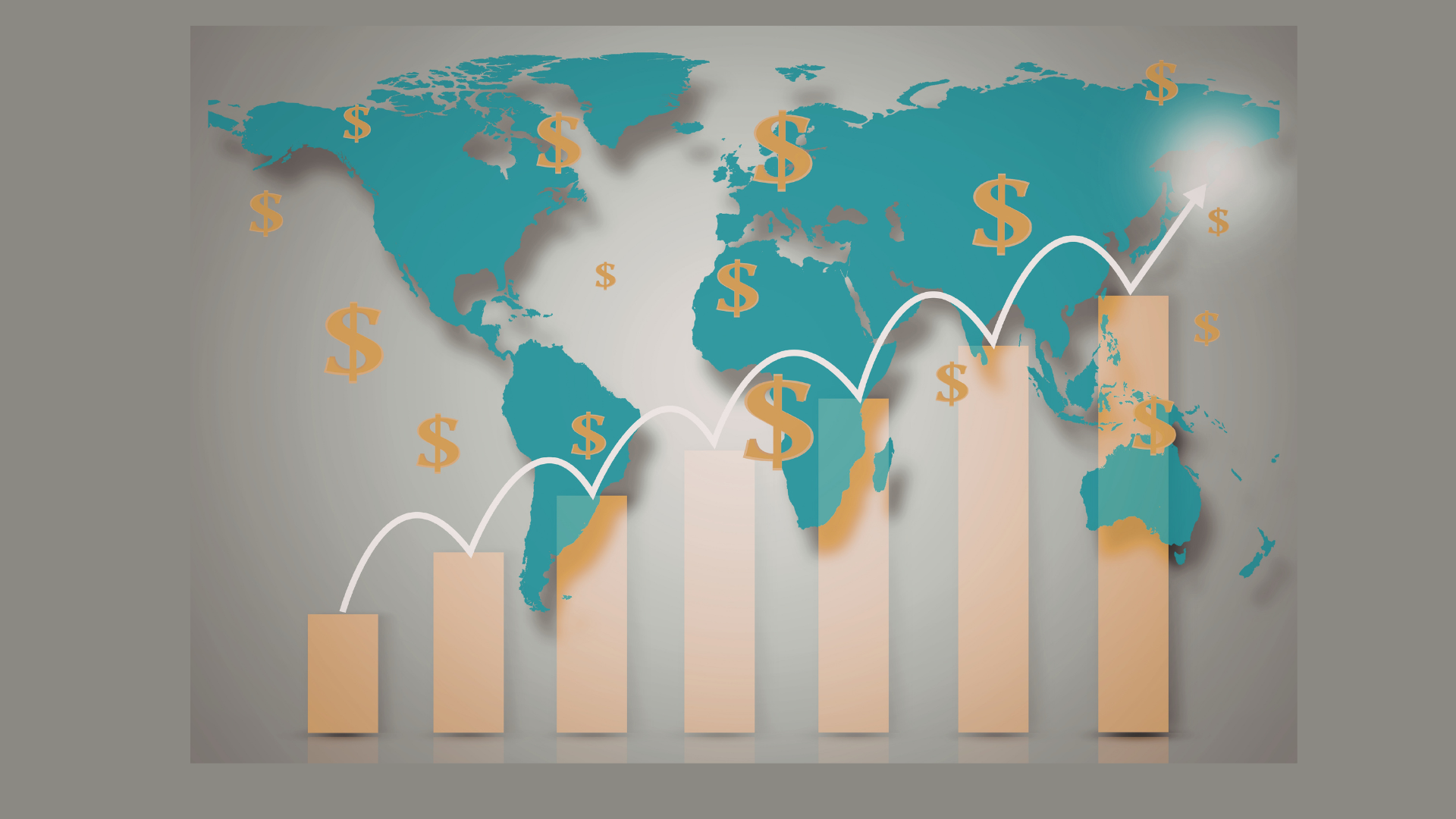
The data tells a different story. There are 400 million small businesses worldwide, and they’re responsible for half of global employment (DemandSage, 2026). And yet, 67% of small businesses globally say their biggest challenge is just surviving, not growing, not expanding, surviving (World Economic Forum, as cited in BizReport, 2026).
What is the gap between where small businesses are and where they could be? That’s where the opportunity lives.

Going global doesn’t mean what you think it means
I’m not here to tell you to open an office in London or hire a team in Singapore next month. That’s not what this is about.
Going global is a mindset before it’s a move.
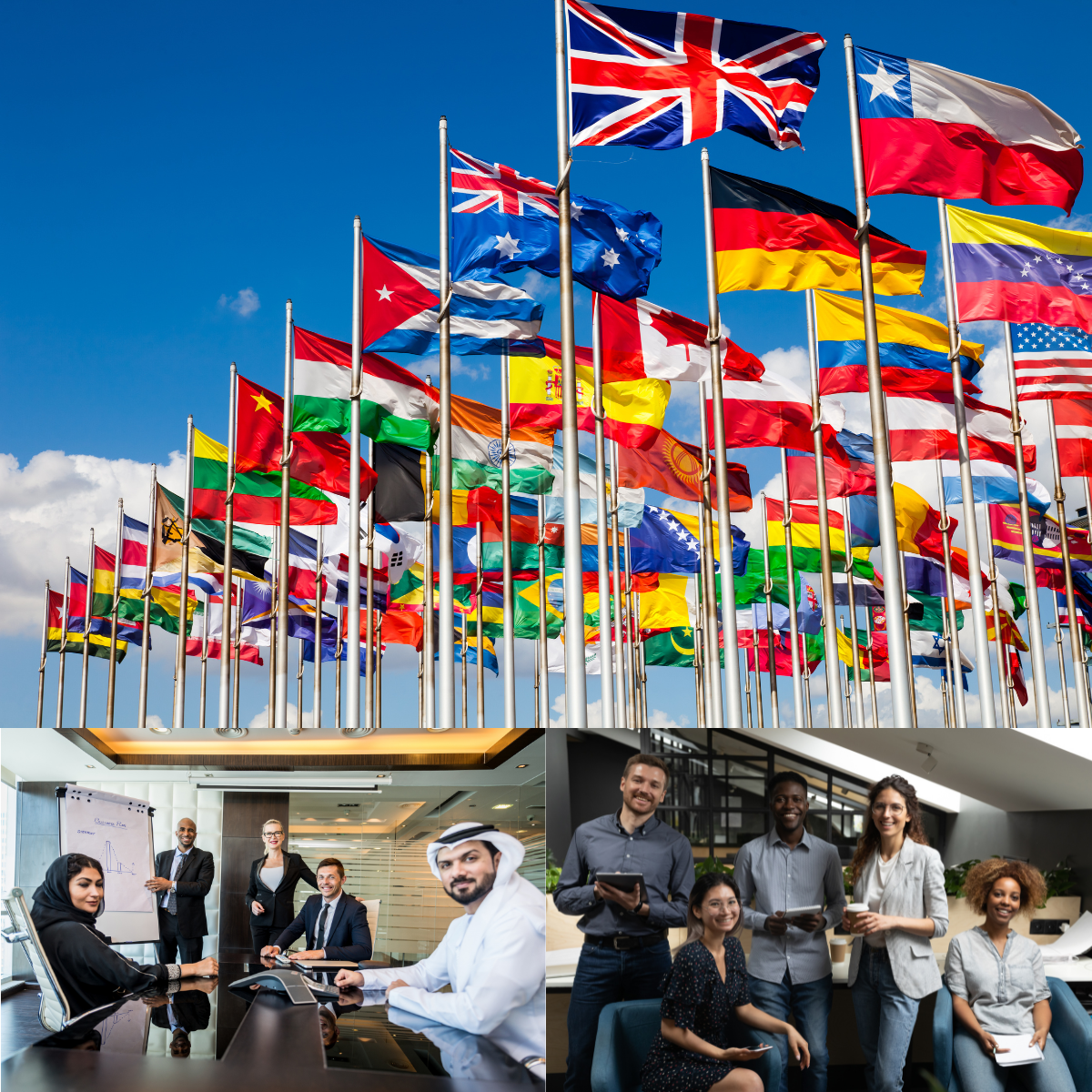
It means asking: Who else in the world needs what I offer? It means hiring the best person for the role, even if they’re in a different time zone. It means building relationships with partners in other markets before you ever need them. And it means paying attention to how entrepreneurs in Mexico, Nairobi, Lagos, South Africa, or France and beyond are solving problems that your local market hasn’t even identified yet.

Research backs this up. Companies that leverage digital platforms, strategic networks, and global alliances grow faster and build stronger competitive advantages than those that don’t (Vrontis et al., 2024). The OECD confirmed in 2025 that digitalization is one of the clearest pathways for small businesses to access new markets and improve how they operate (OECD, 2025).
The tools are there. The markets are there. What’s missing, far too often, is the belief that it’s possible for you.
The real conversation we need to have
I’ve sat across from brilliant entrepreneurs who talked themselves out of bigger opportunities before they ever tried. They assumed global was for someone else. Someone with more funding. More connections. A different background.
The research shows: women-owned, minority-owned, and immigrant-owned businesses are growing, innovating, and out-earning expectations, securing more patents and venture capital than ever before (Guidant Financial, 2025). 97% of business executives say that having a presence in multiple markets is now essential to staying competitive (G-P Global Growth Report, as cited in TriNet, 2025).
The global stage isn’t off-limits; it simply takes someone bold enough to step through the door.
So where do you start?
Three questions.
- Who else in the world needs what I offer? Don’t assume the answer. Research it.
- What partnerships across borders could open new doors for me? One good relationship in another market can change your trajectory.
- What can I learn from entrepreneurs in other countries? Some of the best business thinking I’ve encountered didn’t come from a conference in New York. It came from a conversation in South Africa.
You don’t need a massive budget to think globally. You need curiosity, strategy, and the willingness to see your business as bigger than your current geography.
You built something real. You’ve pushed through hard seasons. That kind of grit translates everywhere in the world. It’s time to take it there.
Grow Without Limits.
